5 Ways Registered Massage Therapy Supports Everyday Well-being
Active Chiropractic And Wellness • August 19, 2026
Modern work and lifestyle demands in Winnipeg can build up stress and create persistent muscle aches long before many people seek help. At Active Chiropractic and Wellness, we see how easily everyday tension, injuries, and old movement habits can disrupt comfort, focus, and overall health. Massage therapy is often considered a treat, but it is actually a key tool for proactive wellness — not just reactive relief.
Registered Massage Therapy (RMT) offers much more than relaxation. With a variety of specialized techniques, our massage therapists help clients manage pain, improve joint flexibility, and reset after injury or high-stress days. If you’re interested in practical ways to use massage to support your well-being, here are five professional strategies you might not have considered.
In This Article:
- Tip #1: Consistency Matters for Lasting Benefits
- Tip #2: The Power of Deep Tissue and Myofascial Release
- Tip #3: Targeting Recovery After Injury
- Tip #4: Moving Beyond Relaxation — Massage for Prevention
- Tip #5: When to Reassess Your Massage Routine
- Frequently Asked Questions
Tip #1: Consistency Matters for Lasting Benefits
The key to sustained results from massage therapy is making it a regular part of your routine, not an occasional fix. By scheduling sessions consistently, you allow your body to maintain reduced muscle tension and support lasting changes in mobility.
• Reduced Tension: Regular appointments help prevent chronic knots from rebuilding.
• Stress Management: A steady schedule is more effective at lowering stress responses than sporadic visits.
• Personalized Progress: Therapists can track your needs and adjust plans over time.
Tip #2: The Power of Deep Tissue and Myofascial Release
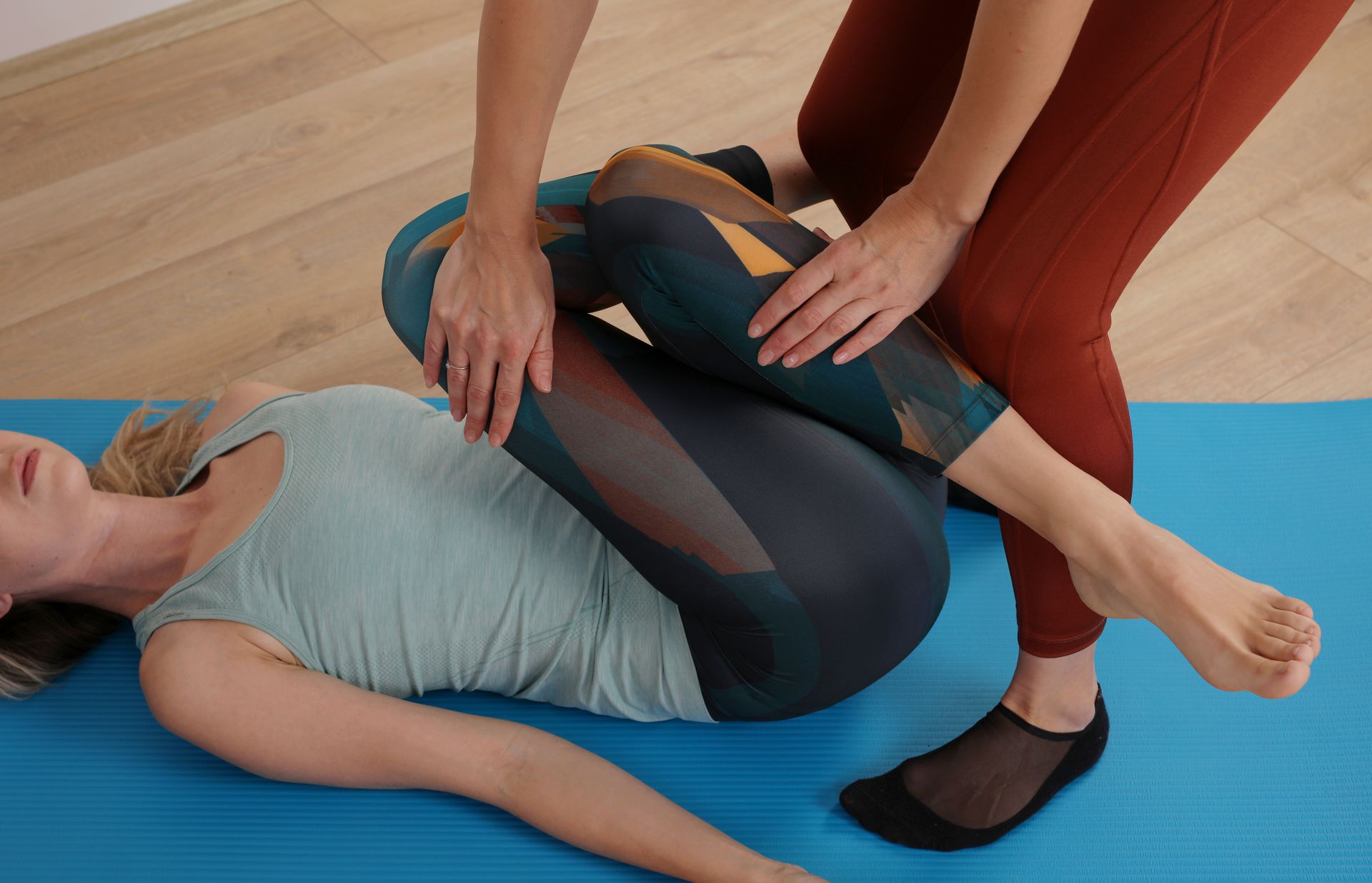
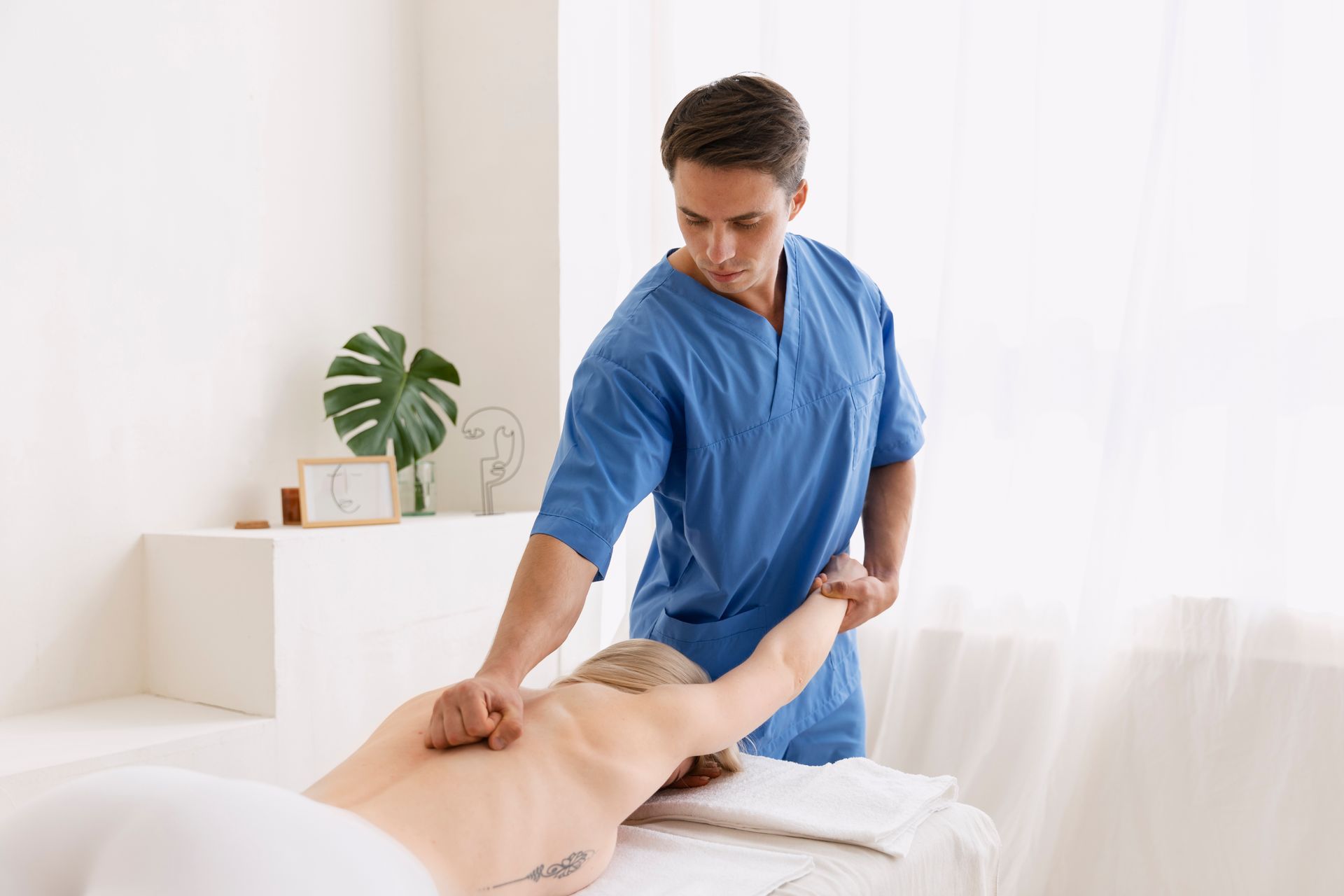
Many clients in Winnipeg are surprised by the immediate impact of deep tissue techniques, especially when combined with myofascial release. These methods go beyond superficial muscle work to address persistent tightness, scar tissue, and restrictions around joints.
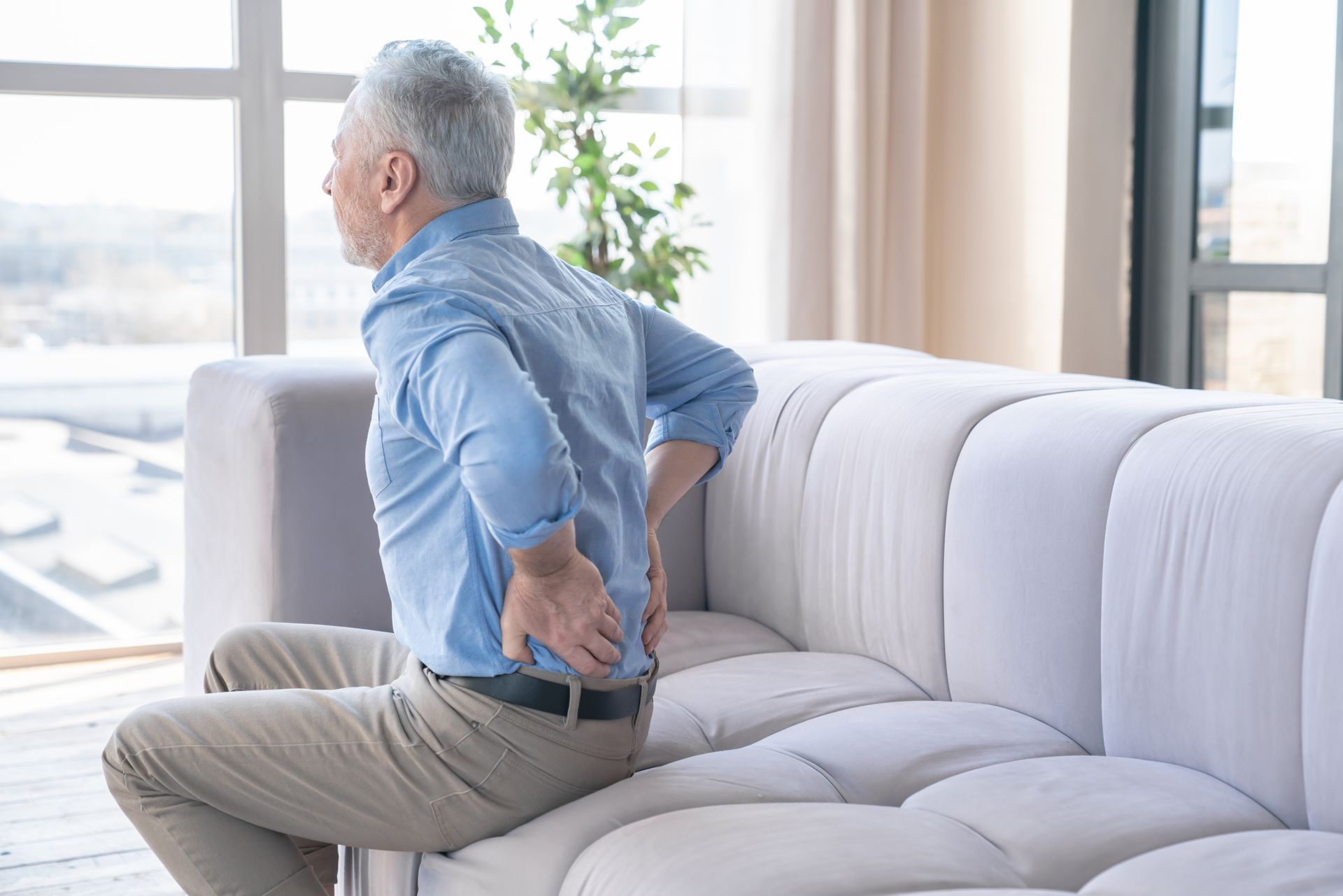
• Chronic Pain: Deep work tackles stubborn trigger points and adhesions other methods can’t touch.
• Recovery Support: Myofascial release improves circulation, accelerating the healing of muscle strains and injuries.
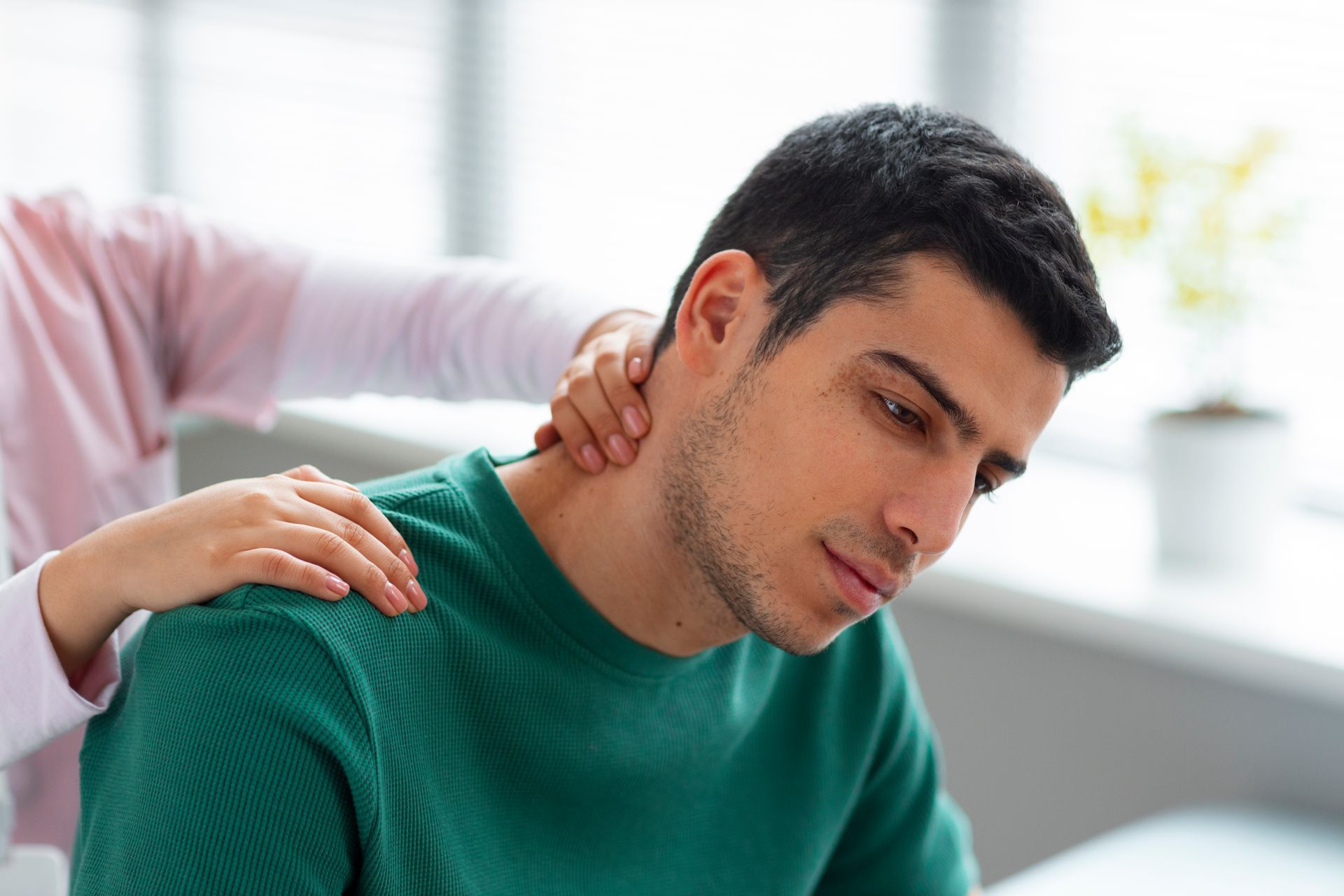
• Posture Reset: These advanced massage techniques help correct imbalances common to desk jobs or athletic activities.
Tip #3: Targeting Recovery After Injury
Massage therapy has a strong clinical foundation for promoting faster recovery after sprains, strains, or overuse injuries. The right approaches, such as RAPID Neurofascial Reset or cupping, can reduce inflammation and help the body clear damaged tissue.
• Reduced Swelling: Gentle techniques promote drainage and minimize swelling after acute injuries.
• Pain Control: Skilled therapists can work around injuries without aggravating them.
• Tissue Restoration: Gradual, targeted massage encourages healthier tissue remodeling.
Tip #4: Moving Beyond Relaxation — Massage for Prevention
With so much focus on treating symptoms, the preventive side of massage is often overlooked. For those in Winnipeg’s demanding professions or active lifestyles, registered massage therapy creates a healthier baseline, reducing the risk of repetitive strain or chronic tightness.
• Injury Prevention: Massage helps maintain balanced muscle groups and flexibility.
• Early Detection: Regular sessions make it easier to spot trouble spots before they turn into problems.
• Holistic Wellness: RMT supports other therapies like chiropractic care, sustaining body-wide well-being.
Tip #5: When to Reassess Your Massage Routine
Sometimes, habits need reviewing. If your daily activities or health status in Winnipeg has changed, so should your massage plan. Tell your therapist about new areas of tension, activity, or old injuries resurfacing.
• Changing Needs: Update your goals as your body and routine change.
• Professional Input: Rely on your therapist for guidance on adjusting timing or technique.
• Maximizing Results: Revisiting your plan ensures ongoing benefit, not just short-term comfort.
Frequently Asked Questions
How often should you get massage therapy for lasting benefits?
Most clients benefit from massage every 2-4 weeks, but the optimal frequency depends on your lifestyle, stress levels, and physical condition. For those with ongoing pain or recovery needs, more frequent sessions might be advised initially, followed by a maintenance schedule. Your RMT will assess your specific needs and help design a custom schedule. This ongoing evaluation is a key reason registered massage therapists can deliver both symptom relief and real functional improvement — not just temporary relaxation.
Which massage techniques work best for chronic tension?
Chronic tension responds best to targeted techniques like deep tissue massage, RAPID Neurofascial Reset, and myofascial release. These methods address deeper layers of muscle and fascia, targeting tightness that has built up over months or years. At Active Chiropractic and Wellness, therapists choose modalities based on clinical assessment and your feedback, ensuring that each session is optimized for both immediate relief and longer-term change.
Can massage speed up recovery after injury?
Yes, when appropriately timed and tailored to your injury, massage therapy can reduce recovery time by improving circulation, reducing inflammation, and helping the body remove waste products from damaged tissue. Techniques such as lymphatic drainage and gentle mobilization are often integrated with other therapies like physiotherapy for comprehensive rehabilitation. Timely professional intervention is especially valuable for Winnipeg clients who need to return to activity or work without lingering pain.
Make Massage Part of Your Well-Being Plan
Integrating registered massage therapy into your health routine can shift you from managing crisis moments to proactively supporting your body in daily life. With an expert team like Active Chiropractic and Wellness by your side, you have access to evidence-based techniques and personalized support — whether you want better movement, less stress, or lasting pain relief. If you’re ready to experience the difference a professional massage can make, booking an appointment is the best place to start.
Share This Blog