Preparing for Winter: Why Kinesiotaping Should Be Part of Your Routine
Active Chiropractic And Wellness • October 20, 2026
As the seasons change in Winnipeg, many find their joints and muscles react differently to everyday movement and activity. At Active Chiropractic and Wellness, we often see an uptick in issues related to muscle strain and reduced mobility as colder months approach. Even those who stay active all year encounter new aches or have old injuries resurface. One proactive strategy many overlook is kinesiotaping—a technique designed to support joints and muscles, enhance movement, and ward off pain before it starts.
Kinesiotaping offers real benefits as part of your winter preparedness plan. It does more than provide short-term relief: when properly applied, it helps reduce inflammation, increase proprioception, and even support healing for those managing old injuries or chronic conditions common in our Winnipeg community. If you've dismissed kinesiotaping as just for athletes or high-impact sports, this article will help you see its relevance for everyone, especially when faced with the city's seasonal challenges.
What We Cover:
- Stage 1: Assess Your Risk for Winter-Related Musculoskeletal Issues
- Stage 2: Schedule Your Kinesiotaping Session with a Practitioner
- Stage 3: Protect Your Joints with Kinesiotaping This Season
- Frequently Asked Questions
Stage 1: Assess Your Risk for Winter-Related Musculoskeletal Issues
As temperatures drop in Winnipeg, the risk factors for joint stiffness, muscle strains, and flare-ups of chronic issues increase. Before the season is in full swing, take stock of your personal musculoskeletal history.
• Review Old Injuries: Prior sprains, strains, or chronic pain sites are more likely to act up in colder months.
• Consider Activity Changes: Are you taking up new seasonal activities or sports? These require different movement patterns and stressors.
• Monitor Pain Levels: If you notice increased discomfort in your feet, knees, shoulders, or back as the weather changes, it’s time to consider support.
→ From a professional standpoint: Prevention is far easier and more effective than waiting for pain to become severe.
Stage 2: Schedule Your Kinesiotaping Session with a Practitioner
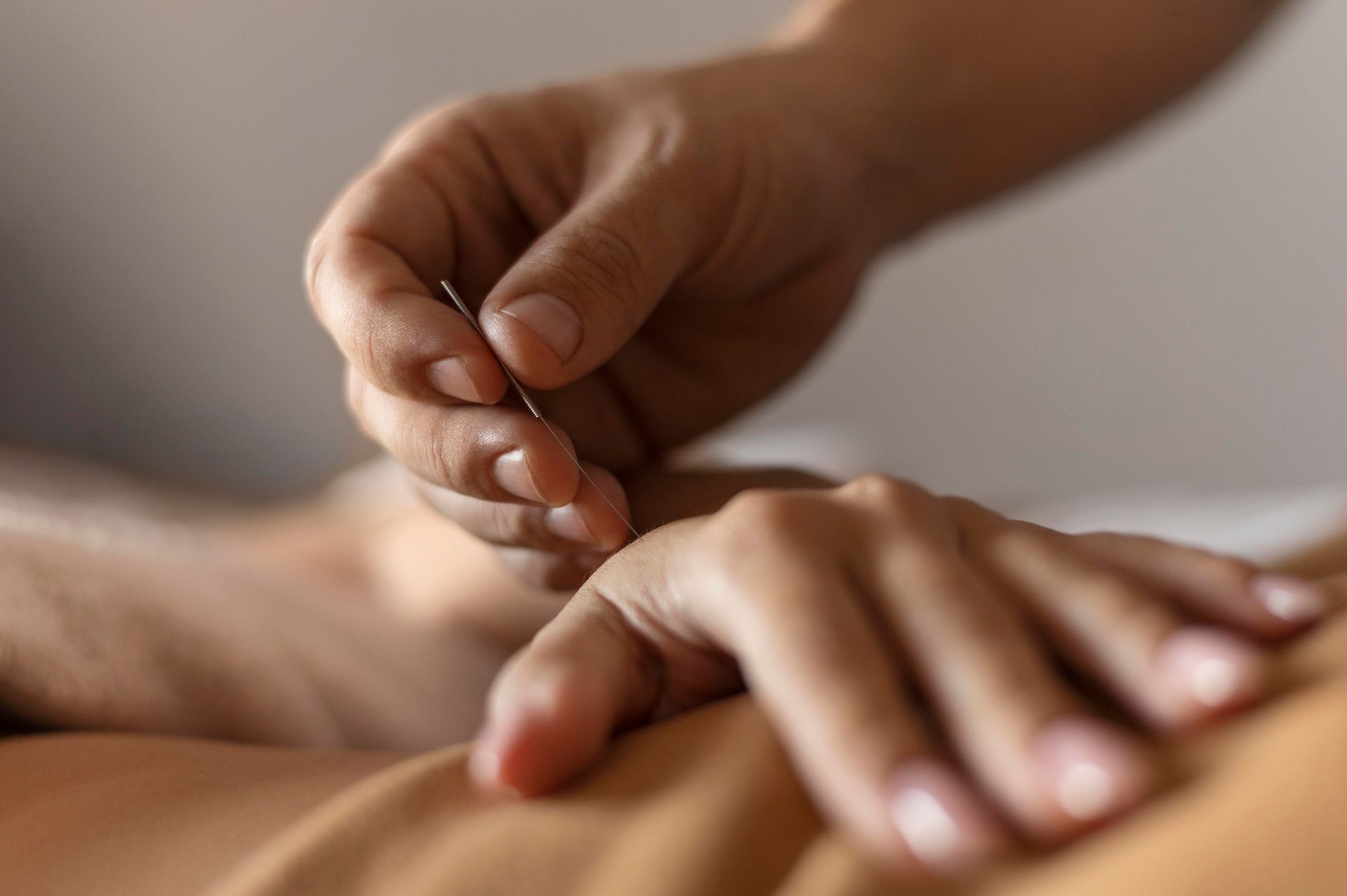
Kinesiotaping, when applied by a certified professional at Active Chiropractic and Wellness, is more than just a roll of tape on the skin. It involves careful positioning to support muscles or joints, reduce swelling, and enhance mobility. Winnipeg’s active residents benefit most from strategic taping, especially when transitioning into the demands of a new season.
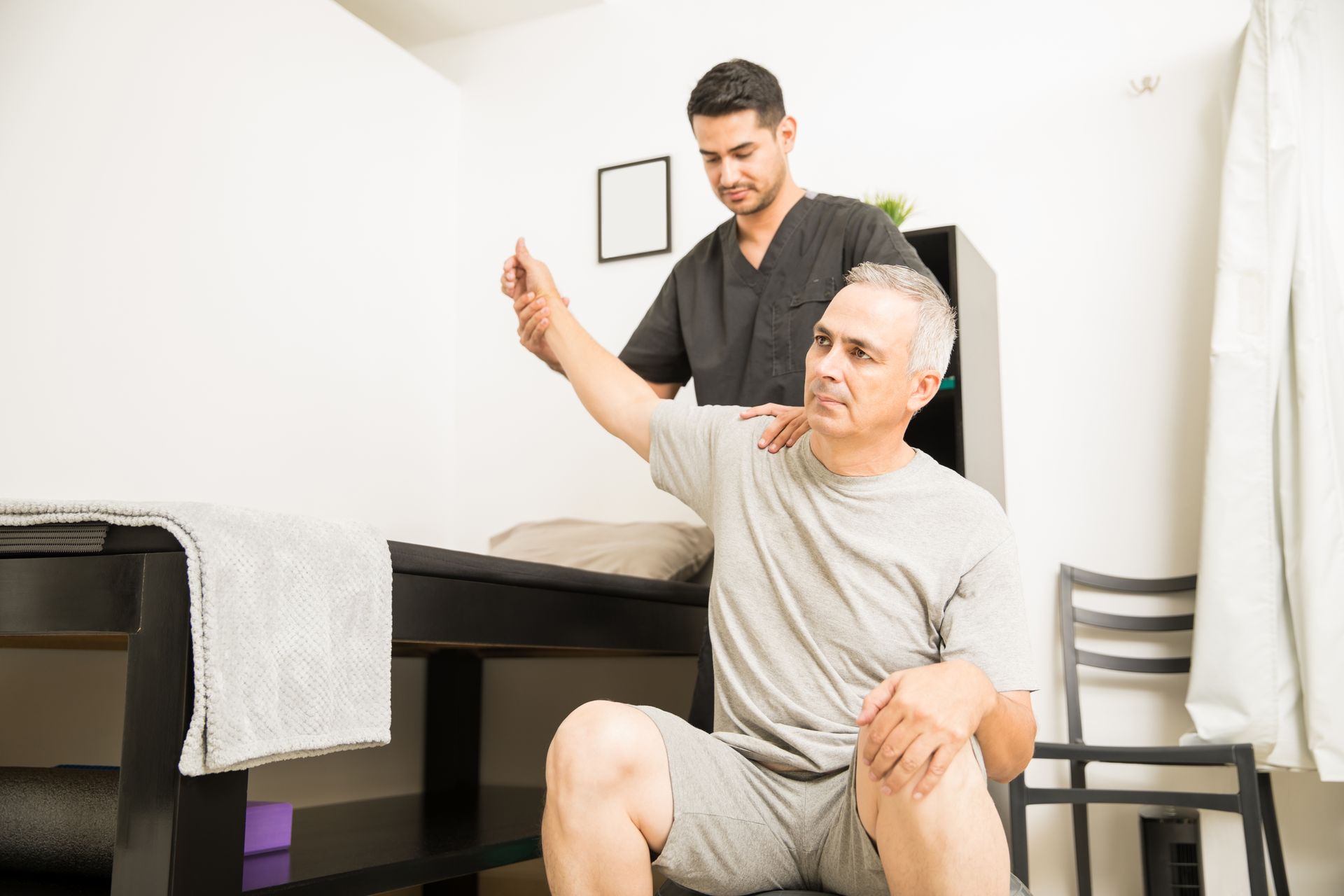
• Professional Assessment: A qualified practitioner can determine the best tape placement and tension for your needs.
• Individualization: Kinesiotaping can be tailored for acute injuries, prevention, or chronic condition management.
• Combine with Other Therapies: For optimal results, kinesiotaping may be used alongside physiotherapy or massage therapy.
► The most important urgency fact: Waiting until discomfort escalates makes recovery harder to recover—early taping offers preventive support right when you need it most.
Stage 3: Protect Your Joints with Kinesiotaping This Season
Ongoing support doesn’t stop after the tape goes on. Effectiveness depends on a few simple, strategic habits.
• Follow Care Instructions: Keep the area dry and avoid unnecessary tugging to maximize tape longevity.
• Watch for Skin Irritation: Most high-quality kinesiotapes are hypoallergenic, but check skin daily for signs of sensitivity.
• Monitor Support Effectiveness: If pain persists or worsens, schedule a re-evaluation—conditions and activity demands can change quickly during Winnipeg winters.
• Combine with Proactive Movement: Stretching and warming up before outdoor activity amplify the benefits of taping.
→ A quick tip to remember: Consistent application and review keep your joints better protected during repetitive seasonal challenges.
Frequently Asked Questions
Who benefits most from kinesiotaping in colder seasons?
Those with a history of joint pain, chronic injury, or high activity levels—such as winter athletes and outdoor enthusiasts—see added protection when using kinesiotaping. As tissues naturally tighten in cold conditions, kinesiotaping provides ongoing proprioceptive feedback and mechanical support to reduce the chance of aggravation.
Does kinesiotaping work under winter clothing?
Yes, quality kinesiotape applies a gentle lift to the skin and can function effectively under layers. In fact, keeping the taped area warm might even help adhesion. Our practitioners at Active Chiropractic and Wellness recommend choosing close-fitting garments that do not cause the tape edges to peel.
How long does kinesiotaping support last after application?
Professional kinesiotaping typically offers 3-5 days of effective support, even with daily activity and showering. However, Winnipeg’s climate—with frequent shifts between outdoor cold and indoor dryness—can affect tape longevity. If you notice reduced support or peeling, return to your provider for reapplication.
Schedule Preventive Care Ahead of the Season
Taking action before winter sets in can make all the difference in how you move and feel over the coming months. Whether you're proactively protecting an old injury or aiming to avoid seasonal aches, kinesiotaping at Active Chiropractic and Wellness provides focused support that adapts to your unique lifestyle and activity level.
Winnipeg’s winter conditions are challenging, but with proper taping and professional guidance, you can keep moving comfortably and confidently. If you’re ready to take preventive steps for healthier joints and muscle support this season, now is the time to reach out and schedule your session—your body will thank you in the months ahead.
Share This Blog