Why Rest Fails Tendinitis: The Hidden Role of Fascial Restrictions
Active Chiropractic & Wellness • November 18, 2026
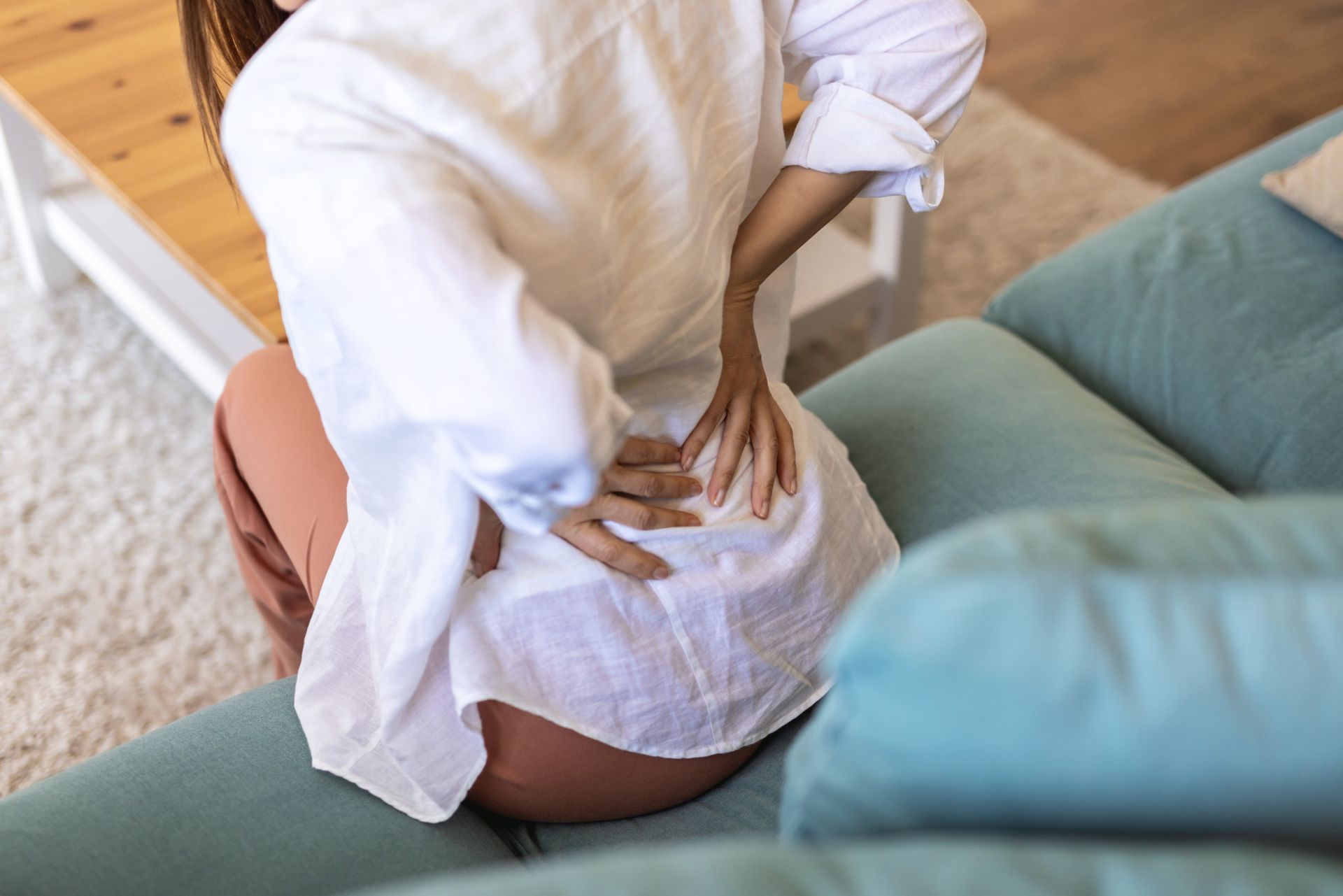
Dealing with a repetitive strain injury often brings life to a frustrating halt. The standard advice handed out for aching joints and stiff tendons is almost always to stop moving and wait for the inflammation to subside. At Active Chiropractic & Wellness, we frequently meet patients at our Winnipeg clinic who have spent weeks doing exactly that. They rest their affected joints faithfully, only to find that their pain returns the moment they resume their normal activities.
The failure of the waiting game comes down to a fundamental misunderstanding of how soft tissue heals. While pausing activity might cool down an initial flare-up, it does absolutely nothing to fix the structural changes that occur within injured fascia. Addressing the root cause requires active intervention, which is why IASTM for tendinitis focuses on reorganizing those tissue fibers. Understanding this mechanism is the key to moving past persistent discomfort and restoring true joint mobility.
Explore the topics covered below:
● The Rest Fallacy: Why inactive waiting fails to resolve tissue dysfunction.
● Fascial Restrictions: The hidden barrier to joint mobility.
● Tool-Assisted Therapy: Why IASTM for tendinitis creates lasting structural change.
● Active Recovery: Blending manual therapy with proper movement.
● Patient Queries: Common questions about instrument therapy.
The Problem With the Waiting Game
When a tendon or muscle is injured through repetitive strain, the body rushes to patch the damaged area. It lays down collagen fibers quickly to stabilize the tissue. Unfortunately, this rapid repair job is rarely organized. Instead of neat parallel fibers that glide smoothly, the body creates a chaotic web of scar tissue.
This unorganized tissue limits flexibility and alters how the joint moves. If you are wondering why your tendinitis will not heal with rest alone, this messy collagen structure is the culprit. Resting reduces the immediate swelling, but it leaves the restrictive scar tissue completely intact. The moment you return to running or lifting, that rigid tissue pulls on the joint and restarts the pain cycle.
The Hidden Role of Fascial Restrictions
Fascia is the continuous layer of connective tissue that wraps around every muscle and organ in your body. In a healthy state, fascia is incredibly slippery and allows muscles to slide past one another effortlessly. Following an injury or long periods of poor posture, this tissue can become thick and sticky. These adhesions act like internal glue.
When fascia loses its elasticity, the surrounding muscles have to work significantly harder to produce normal movement. This extra workload places tremendous strain on the tendons attached to those muscles. Treating the tendon without addressing the glued-down fascia higher up the kinetic chain guarantees that the problem will eventually return.
Why IASTM for Tendinitis Targets the Root Cause
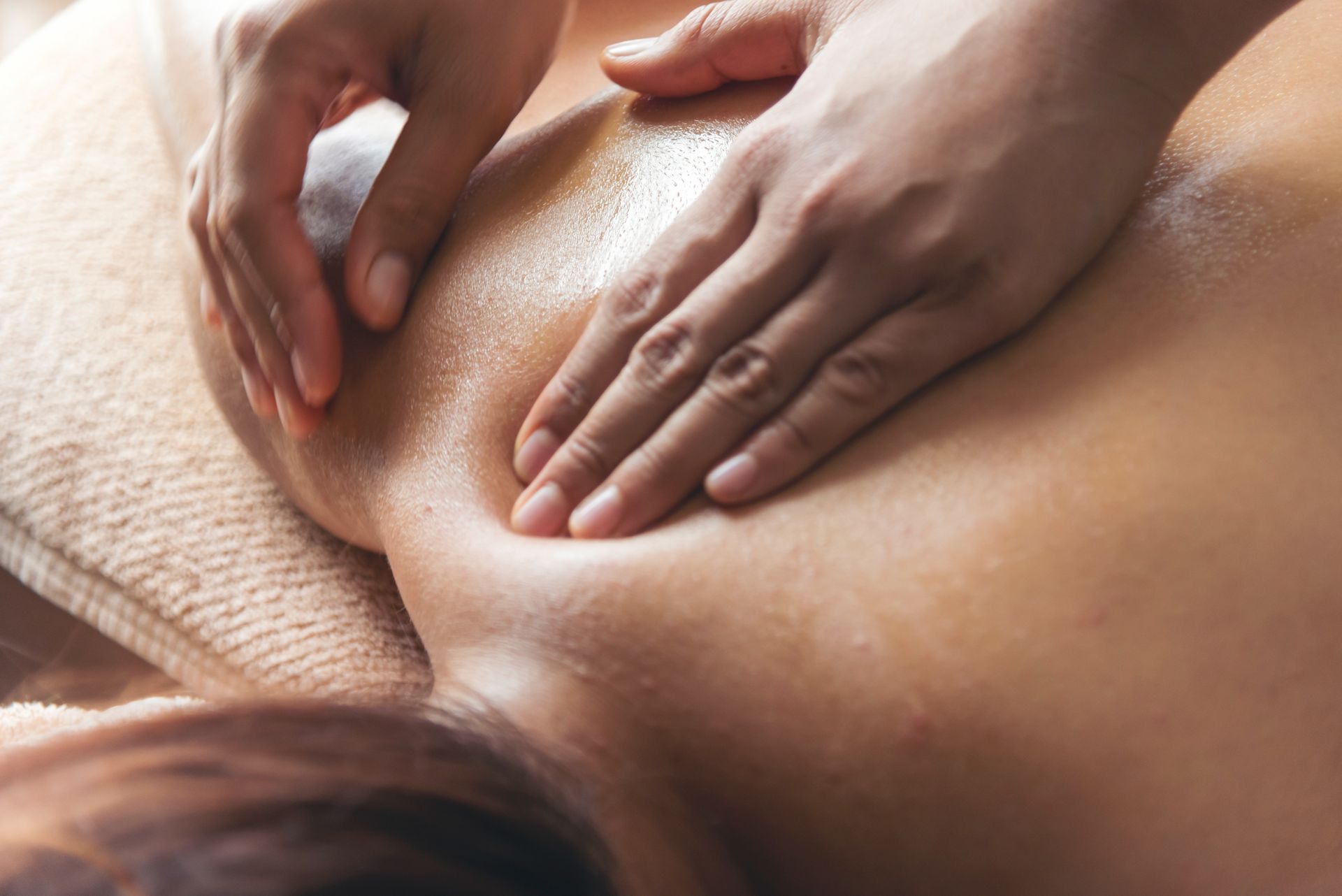
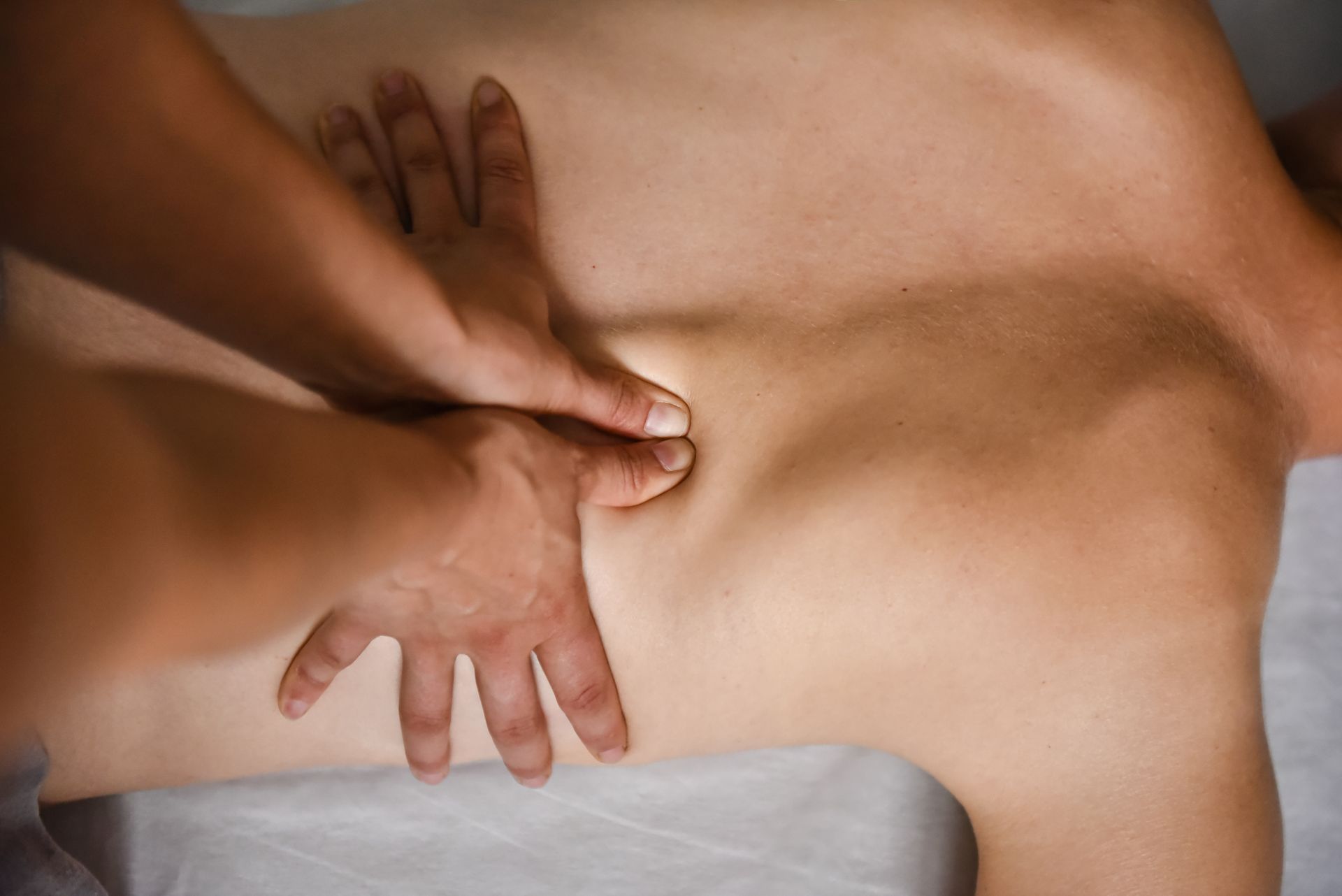
Instrument Assisted Soft Tissue Mobilization is a manual therapy technique specifically designed to address these restrictions. Rather than relying solely on their hands, our practitioners use ergonomically designed instruments crafted from stainless steel. These tools feature beveled edges that allow the therapist to detect altered tissue textures with incredible precision. The instruments amplify the sensation of fibrous adhesions, making it easier to locate the exact source of the restriction.
Once the restricted area is identified, the instrument provides a mechanical advantage to break down the unorganized scar tissue. The targeted pressure creates a micro-trauma in the affected area, which triggers a localized inflammatory response. This controlled process signals the body to restart the healing phase, laying down new and organized collagen fibers that support healthy movement.
Integrating Movement and Rehabilitation
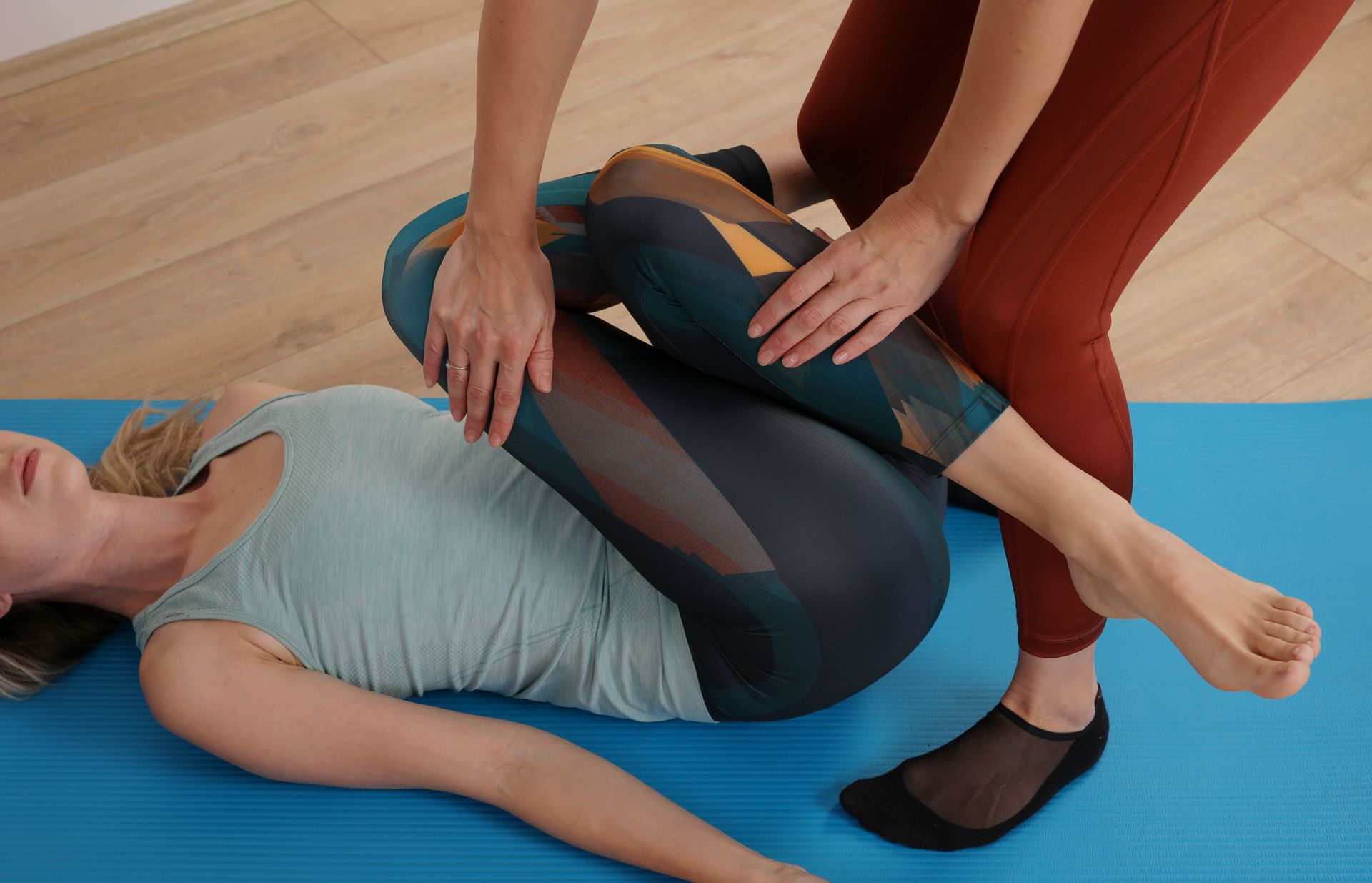
Breaking down the restrictive tissue is only the first half of a successful recovery plan. Once the adhesions are cleared, the body needs to be taught how to move correctly through its newly restored range of motion. This is where integrating active rehabilitation exercises becomes vital.
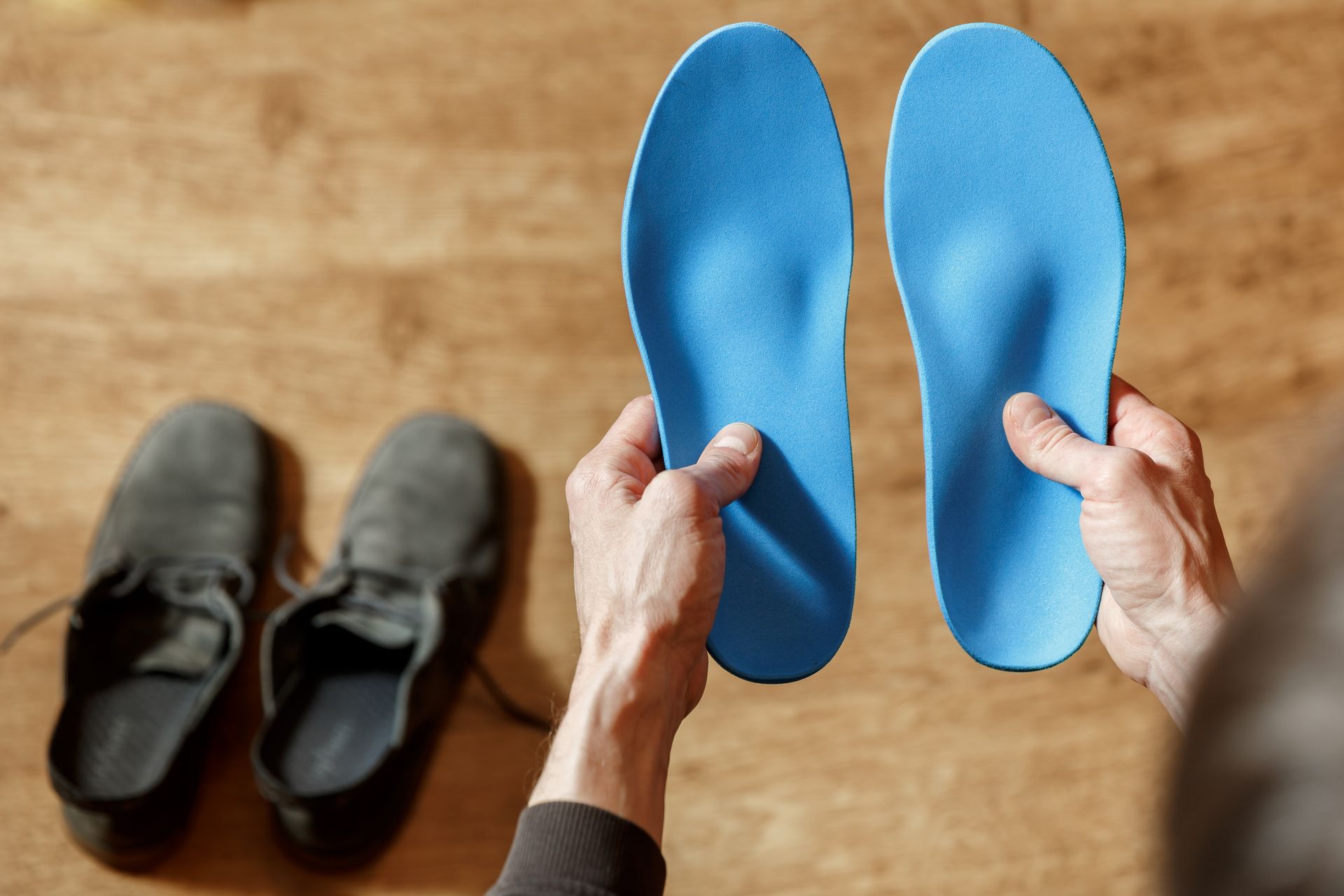
Our team pairs soft tissue treatments with targeted stretching and strengthening routines. We also look at foundational support, assessing whether adding custom orthotics might improve your biomechanics and take the load off your lower body tendons. Working with experienced professionals ensures that every aspect of your recovery is handled with care.
► Client Experience: I've seen over a dozen physicians regarding my back pain. Dr Adam Zachman is by far the best.
Finding the right clinical guidance is essential for moving past long-standing physical limitations and returning to the activities you love.
Frequently Asked Questions
Will instrument-assisted therapy cause bruising?
Because the technique involves breaking down scar tissue, mild redness and occasional minor bruising can occur. We provide clear post-treatment guidelines, including hydration and stretching, to minimize any temporary soreness.
How long are the treatment sessions?
Depending on the size of the area and the severity of the fascial restriction, the soft tissue mobilization portion typically lasts between ten and thirty minutes. This is always followed by post-treatment movement exercises.
Moving Past Persistent Tendon Pain
Waiting for a repetitive strain injury to disappear on its own is a recipe for ongoing frustration. Taking an active approach to break down structural restrictions is the only way to facilitate proper tissue remodeling. Contact our clinic today to book an assessment and take the first step toward lasting joint health.
Share This Blog